
Waking up at 6 AM for a run or heading out for your evening jog after work — at some point, you've probably wondered: Should I be taking a pre-workout too?
We are used to seeing gym-goers scoop pre-workout before lifting. But running is different — it's an endurance game, not a strength game. Not every pre-workout is built for runners. Some ingredients genuinely help your performance, while others can leave you sprinting toward the nearest bathroom mid-run.
Here's what we'll cover:
Is pre-workout actually good or bad for runners?
Which ingredients help — and which to avoid
When to take it and when to skip it
Common side effects (and how to avoid them)
3 runner-friendly options worth trying
What Is Pre-Workout and Why Do Runners Try It?
Pre-workout is a supplement — usually a powder, gummy or drink — taken before exercise to boost energy, focus and stamina. Runners turn to it because they want:
Delayed fatigue during long runs
Better mental focus, especially during races or interval sessions
A motivation boost on days they don't feel like lacing up
Improved blood flow so muscles get more oxygen
But here's the key point — not every pre-workout is designed for runners. Most formulas on the market are built for weightlifters and using those can actually work against you when you're running.
Is Pre Workout Good for Running or Bad? The Real Answer
The straight answer: it depends on the ingredients and when you take it.
Research shows that with the right ingredients, pre-workout can genuinely improve a runner's performance — but the wrong ingredients or bad timing can just as easily backfire.
Ingredients That Actually Help Runners:
Caffeine — the most research-backed ingredient out there. It improves time-trial performance and makes running feel mentally easier.
Citrulline Malate — improves blood flow and oxygen delivery, especially useful for speed work.
Electrolytes — keep you hydrated, especially in hot weather or during long runs.
BCAAs / Amino Energy — help reduce muscle fatigue and support recovery.
Ingredients You Should Avoid:
High-dose Beta-Alanine — great for lifters, but as your heart rate climbs during a run, it tends to cause GI issues like bloating and cramping.
Heavy Stimulant Blends — increase the risk of jitters and a mid-run crash.
High Creatine Doses — the water-weight gain can actually work against marathon runners.
When Should You Take It — And When Should You Skip It?
This is the part most people miss. You don't need pre-workout before every single run.
Take it when:
You're doing speed work or interval training
It's race day (anywhere from a 5K to 10K)
You have a high-intensity cardio or cross-training session
Skip it when:
It's an easy recovery run
It's a long, slow-paced run (extra stress on your stomach isn't worth it)
It's an evening run and caffeine will mess with your sleep
Timing: Take it 20–30 minutes before your run so the ingredients kick in properly without causing a crash.
Common Side Effects Runners Experience
If you've ever taken a pre-workout and suddenly felt your stomach turn mid-run, you're not alone. These are the common complaints:
Jitters and anxiety-like feelings
GI distress (cramping, bloating)
A sudden energy crash mid-run
Trouble sleeping if taken in the evening
The fix is simple: choose a clean-label, runner-specific formula that's crash-free and gentle on the stomach — instead of grabbing whatever gym pre-workout is on the shelf.
Best Pre-Workout Options for Runners (Worth Checking Out)
If you want the benefits of caffeine, citrulline and electrolytes — without the jitters and stomach issues — here are 3 options built specifically for runners, not bodybuilders:
1. 6AM Run Marathon
A crash-free amino energy formula built for long-distance runs and marathon prep. It delivers steady energy throughout longer efforts without bloating or cramping — ideal for endurance runners who want a smooth, sustained boost.
Pros:
Crash-free, sustained energy for long-distance efforts
Gentle on the stomach — built for endurance, not lifting
Great for marathon training and race-day prep
Cons:
Not ideal if you want a strong, immediate stimulant kick
Powder form means mixing is required before your run
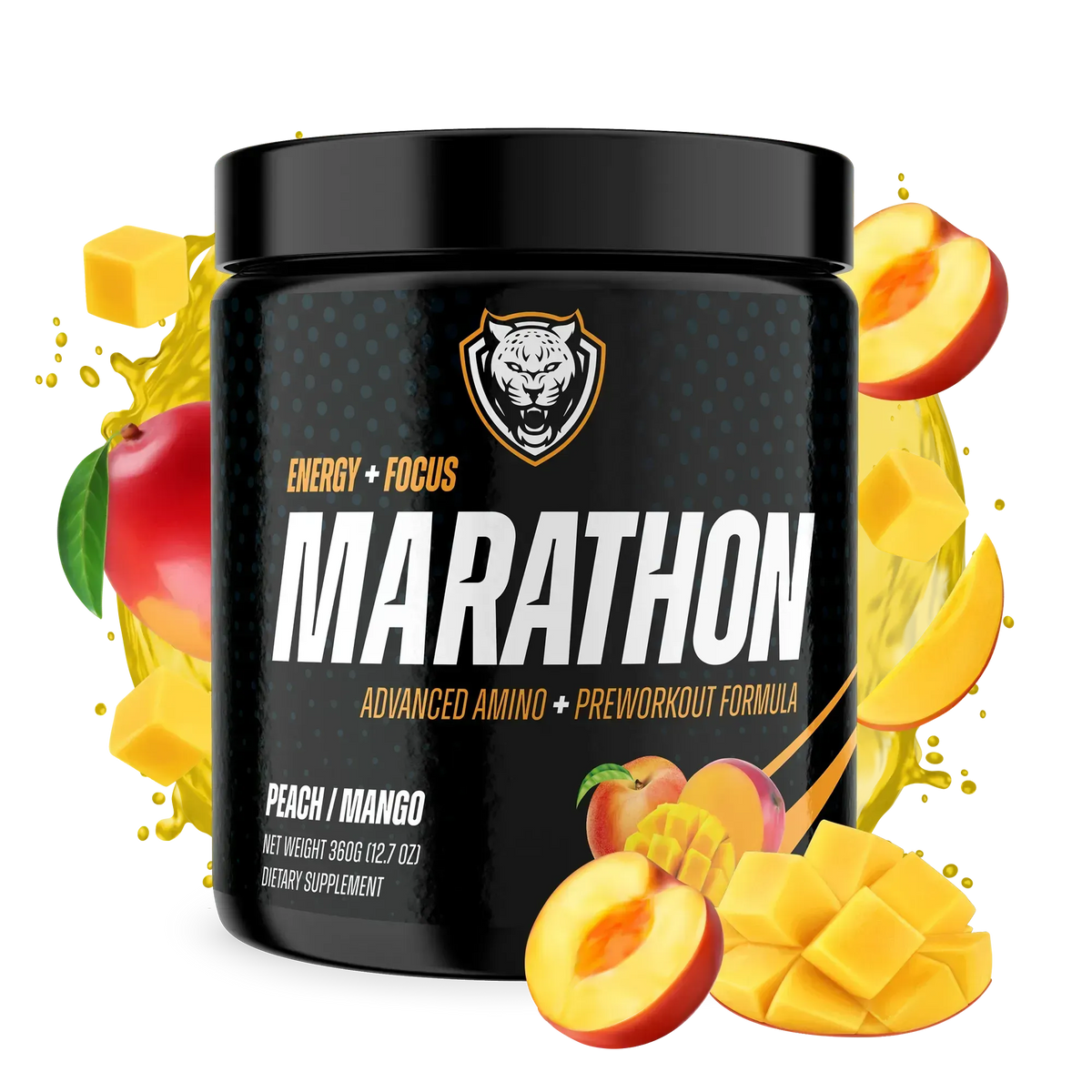
MARATHON — All-In-One Runners Formula
Fuel your run with sustained energy, hydration, endurance support, and recovery benefits in one scoop. MARATHON is designed specifically for runners and endurance-focused workouts.
2. 6AM Run Marathon Gummies
For runners who'd rather skip the mixing — same Marathon formula, but in easy, on-the-go gummy form. Perfect for travel days or mornings when you need to head out fast with no time to measure and mix.
Pros:
No mixing or water needed — just grab and go
Great for travel, race day or rushed mornings
Same trusted Marathon formula in a convenient format
Cons:
Portion control is fixed (can't adjust dosage as freely as powder)
May not suit runners who prefer sipping something during their run
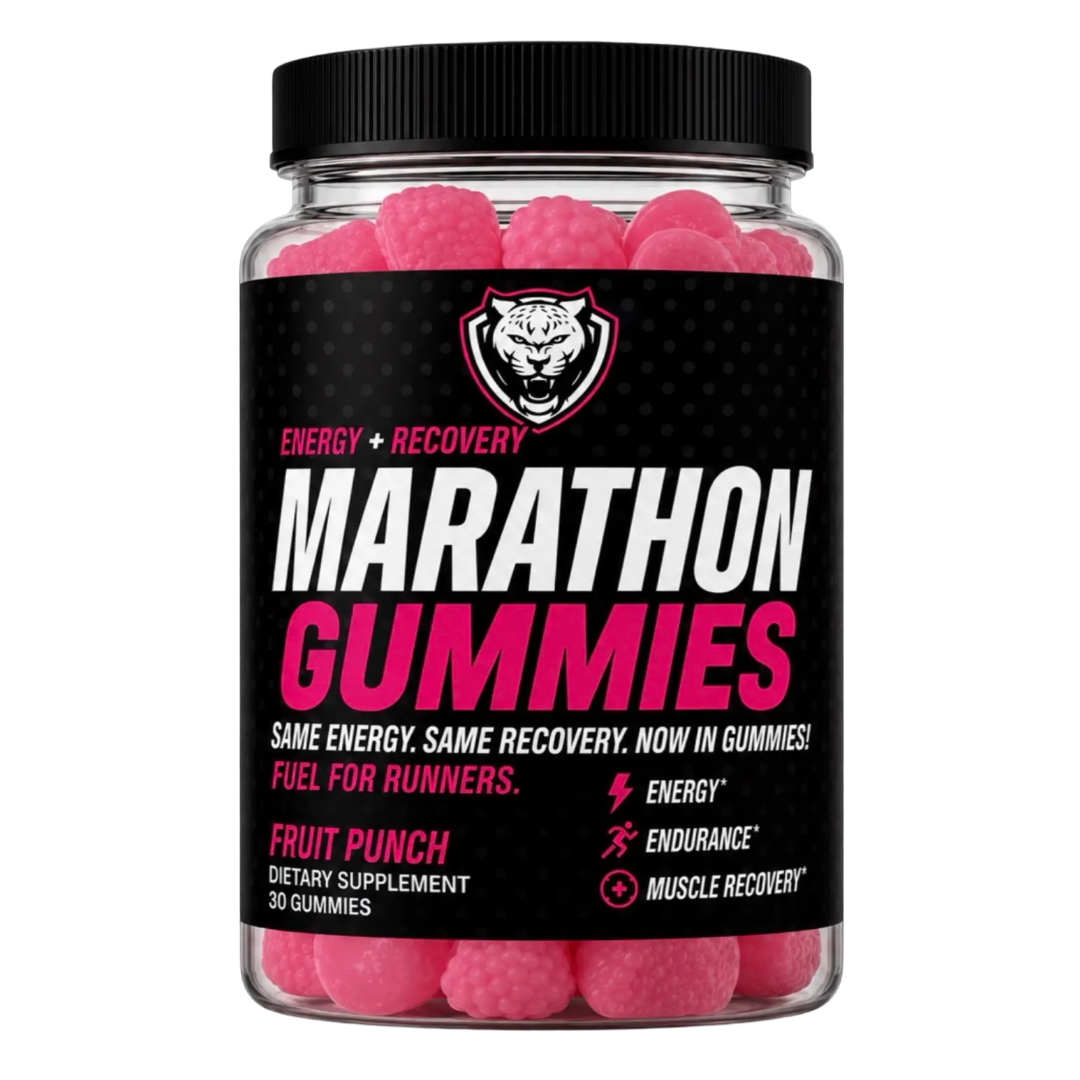
MARATHON 2.0 GUMMIES — Fuel Your Run
A convenient runner-focused formula in just 2 gummies. Supports sustained energy, hydration, endurance, and recovery before your run.
3. 6AM Run Sprint
Built for runners doing speed work, intervals or short intense cardio sessions who want an immediate energy boost. The formula is specifically designed for cardio and conditioning — without the typical pre-workout crash.
Pros:
Fast-acting boost, great for intervals and speed sessions
Designed for cardio, so it avoids the typical "gym pre-workout" harshness
No crash reported, unlike many stim-heavy formulas
Cons:
Not intended for long, slow-paced runs (better saved for short/intense efforts)
Stronger boost may not suit caffeine-sensitive runners
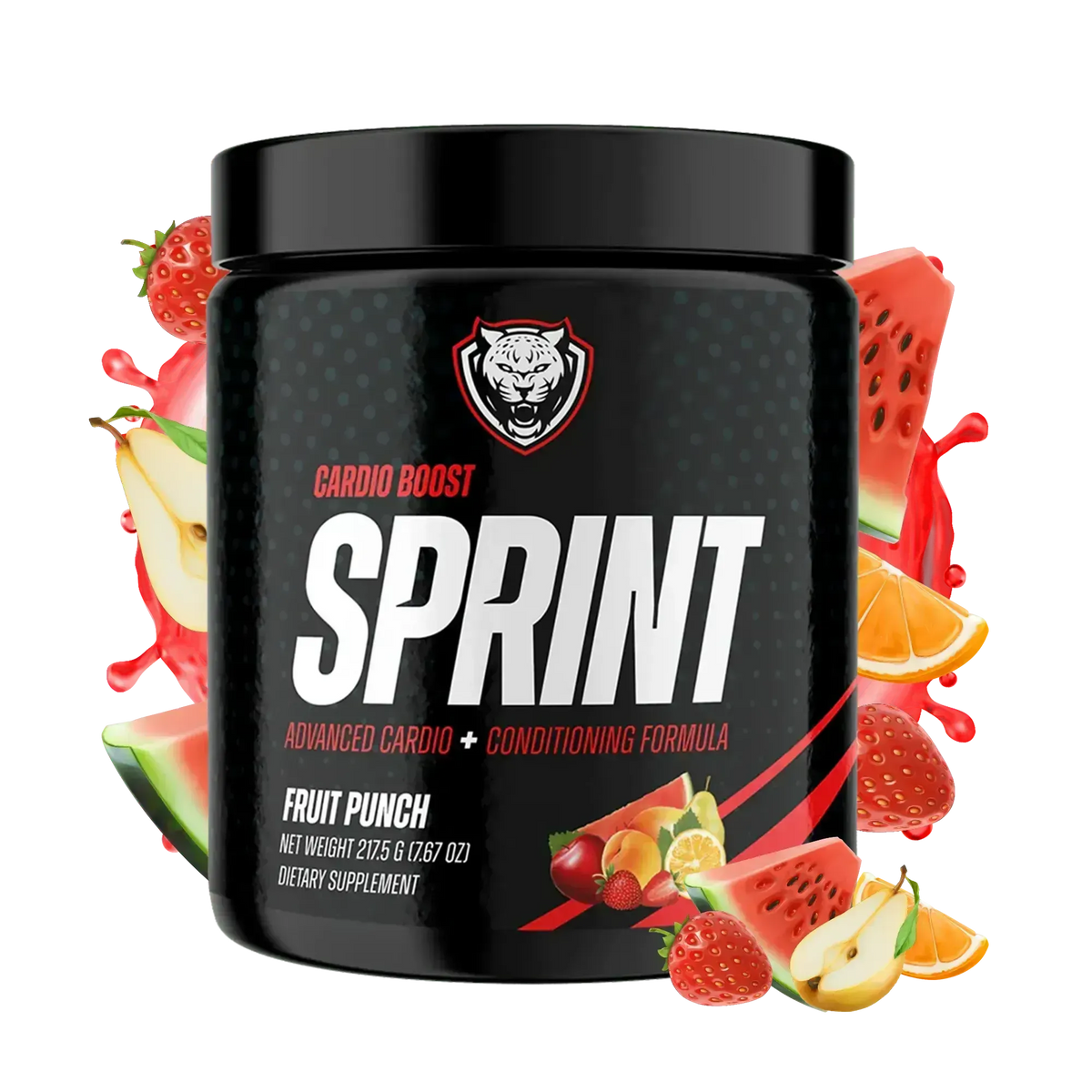
SPRINT — Pre-Running Energy
Get a fast, clean energy boost with enhanced focus and stamina for running, HIIT, strength training, cycling, and other intense workouts.
Conclusion — Should You Take Pre-Workout?
If you follow the right ingredients and the right timing, pre-workout can genuinely improve your running performance — but grabbing a random, stimulant-heavy gym pre-workout can just as easily work against you.
Bottom line: choose a clean, runner-specific formula, take it at the right time and listen to your body.
Frequently Asked Questions
Pre-workout can be suitable for some runners when the ingredients, dosage, and timing are appropriate. Individual tolerance varies, so runners should follow the product label and avoid ingredients or stimulant levels that cause unwanted side effects.
Some pre-workout ingredients, particularly caffeine, may improve exercise performance and reduce perceived effort for some people. Results vary based on individual response, dosage, training, and other factors.
Not necessarily. Many runners may prefer to reserve pre-workout for speed sessions, intervals, races, or other demanding workouts rather than taking it before every easy or recovery run.
Beta-alanine is commonly used in sports supplements, but it can cause a temporary tingling sensation called paresthesia. Whether it is useful before running depends on the type and intensity of the workout and the individual's response.
Timing depends on the ingredients and product instructions. Caffeine-containing pre-workouts are commonly taken before exercise, but runners should follow the manufacturer's directions and test their routine during training rather than for the first time on race day.