
Hotels can take up a big part of your travel budget. If you want to save money and enjoy nature more, traveling with a tent can be a great option.
Camping lets you stay closer to nature, explore new places and enjoy more freedom without spending too much.
In this guide, you’ll learn how to choose the right tent, pack it easily, find safe and legal camping spots and handle things like showers, security and changing weather.
Why Travel With a Tent?
Before the how-to, it helps to know the why. Carrying your own shelter changes the entire shape of a trip:
Lower costs — Skipping hotel stays for some nights can significantly reduce your accommodation costs.
More freedom — You're not tied to check-in times or booking availability; you can change plans on a whim.
Closer to nature — Waking up on a beach, in a forest or beside a mountain trail beats a hotel window every time.
Better connection to place — Camping puts you in contact with local landscapes and communities that most tourists never see.
How to Travel With a Tent by Plane, Car, Bus or Train
Your travel method affects how you should pack your tent. Keep your gear light, compact and easy to carry.
By Plane
Check airline baggage rules and pack your tent and poles neatly.
By Car
You have more space, so you can bring a larger tent and extra camping gear.
By Bus or Train
Choose a lightweight tent and pack it in a waterproof, easy-to-carry bag.
Should You Camp Every Night?
Not necessarily. A mix of camping, hostels,and hotels can make your trip easier and more comfortable.
Camping: Save money and enjoy nature.
Hostel: Get a shower, laundr and meet other travelers.
Hotel: Take a proper break and enjoy extra comfort.
A hybrid trip can give you the best balance of saving money, exploring nature and staying comfortable.
Step 1:Choose the Right Tent for Travel
Not every tent belongs in a travel backpack. Look for these features:
Weight and Pack Size
For travel — as opposed to car camping — weight is everything. Aim for a tent under 2-3 kg that compresses down small enough to strap to or fit inside your main pack.
Durability Over Looks
A dome tent with a solid rain fly is usually the sweet spot for solo and duo travelers: lightweight, quick to pitch and weatherproof enough for most climates.
Season Rating
3-season tents work for most travel — spring through fall, in moderate climates.
4-season tents are heavier but necessary if you're heading somewhere with snow or serious wind.
Test It Before You Go
Pitch your tent at home first. Learning where every pole and peg goes in your living room is a lot less stressful than figuring it out for the first time in the rain at 9pm.
Internal linking suggestion: Link this section to a dedicated "Best Travel Tents 2026" buying guide on your site.
Step 2: Pack Smart
A tent is only one piece of the puzzle. Here's a minimal but complete packing checklist:
Tent, poles, stakes and rain fly
Lightweight sleeping bag suited to your destination's climate
Sleeping pad (for insulation and comfort — don't skip this)
Headlamp
First aid kit
Compact camp stove or no-cook food, depending on your trip
Water filter or purification tablets
Offline maps and a backup paper map
A tarp or footprint to protect the tent floor from moisture and sharp ground
Pro tip: Pack items into compression sacks and keep a small "grab-and-go" bag with your headlamp, first aid kit and other frequently needed items on top, so you're not digging through your whole pack after dark.
Step 3: Find Safe, Legal Places to Camp
This is where most tent travelers get stuck. A few reliable options:
Official campgrounds — Safest and simplest, often with showers and toilets included.
Public land — Rules vary widely by country, region, park and land type. Always check the official local regulations before camping.
Hospitality networks and farm-stays — Some let you pitch a tent on their property in exchange for a small fee or a bit of work.
Apps and trip planners — Tools built for campers can help you check trail conditions and find nearby sites before you arrive.
Always pitch on flat, dry ground and use a tarp cut to the footprint of your tent to keep moisture out.
Step 4: Solve the Hygiene Problem
The biggest adjustment for new tent travelers isn't the sleeping — it's staying clean. A few workarounds seasoned tent travelers rely on:
Truck stops, campgrounds, gyms, swimming facilities and some transport hubs may offer showers, depending on the country and location.
Mixing in the occasional hostel or budget hotel night gives you a proper wash and a chance to do laundry.
Biodegradable wipes and a small quick-dry towel go a long way between showers.
Step 5: Plan for Weather and Safety
Check forecasts daily — weather can change your plans fast when you don't have four solid walls around you.
Choose a tent site away from dead trees, low ground that could flood or exposed ridgelines in windy areas.
Keep valuables inside the tent with you overnight rather than in an outer vestibule.
Let someone know your rough route, especially if you're camping solo in remote areas
Our Pick: Ampex Lightweight Backpacking Tents
The Ampex Lightweight Backpacking Tent lineup is a good option for travelers who want a simple, ready-to-buy tent. The tents include a footprint, stakes, three pitching modes, and a limited lifetime warranty.
Ampex Lightweight Backpacking Tent – 3 Person
A freestanding dome tent built for two people traveling together (or one person who wants extra gear room), with a 20D/1200mm waterproof floor and full-coverage rainfly.
Minimum trail weight: 3 lb 12.9 oz (1.73 kg)
Packed dimensions: 6" x 18"
Interior: 90" x 70" x 44", fits 3 sleeping pads
Pros:
Roomy enough for two travelers plus gear, tight but workable for three
Footprint, stakes, and repair patches included — no extra purchases needed
Fast, tool-free setup with color-coded poles and a foot-connector system
YKK zippers and pure PU seam tape hold up well in wet weather
Cons:
At nearly 4 lb, it's heavier than true ultralight solo tents
"3-person" capacity is optimistic — most reviewers find it best for two
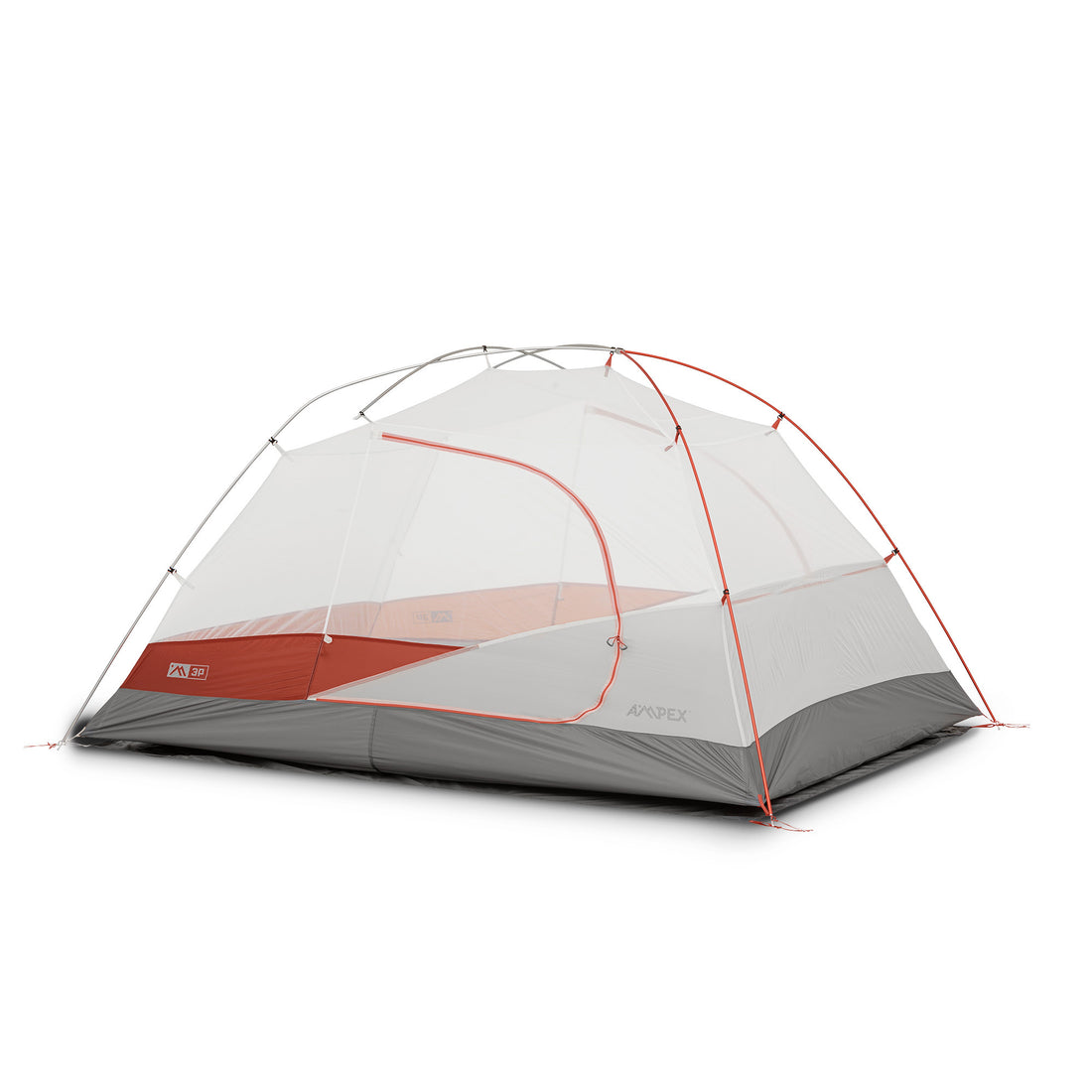
Ampex Lightweight Backpacking Tent – 3 Person
A roomy freestanding dome tent for travelers who want extra space, weather protection, and an easy setup.
Ampex Lightweight Backpacking Tent – 1 Person
The solo traveler's version of the same design — smaller footprint, lower weight, same weatherproofing and setup system.
Minimum trail weight: 2 lb 4.6 oz (1.04 kg)
Packed dimensions: 6" x 17"
Interior: 88" x 38"/28" x 38", fits 1 regular or XL sleeping pad
Pros:
Genuinely lightweight — easy to strap to a backpack without adding much bulk
Same durable materials and lifetime warranty as the larger model
Compact packed size, good for flights and buses with tight luggage limits
Budget-friendly entry point for first-time tent travelers
Cons:
Snug interior — not much room to sit up and spread out gear on rainy days
Single-person only, so it won't work if your plans change to traveling with a partner
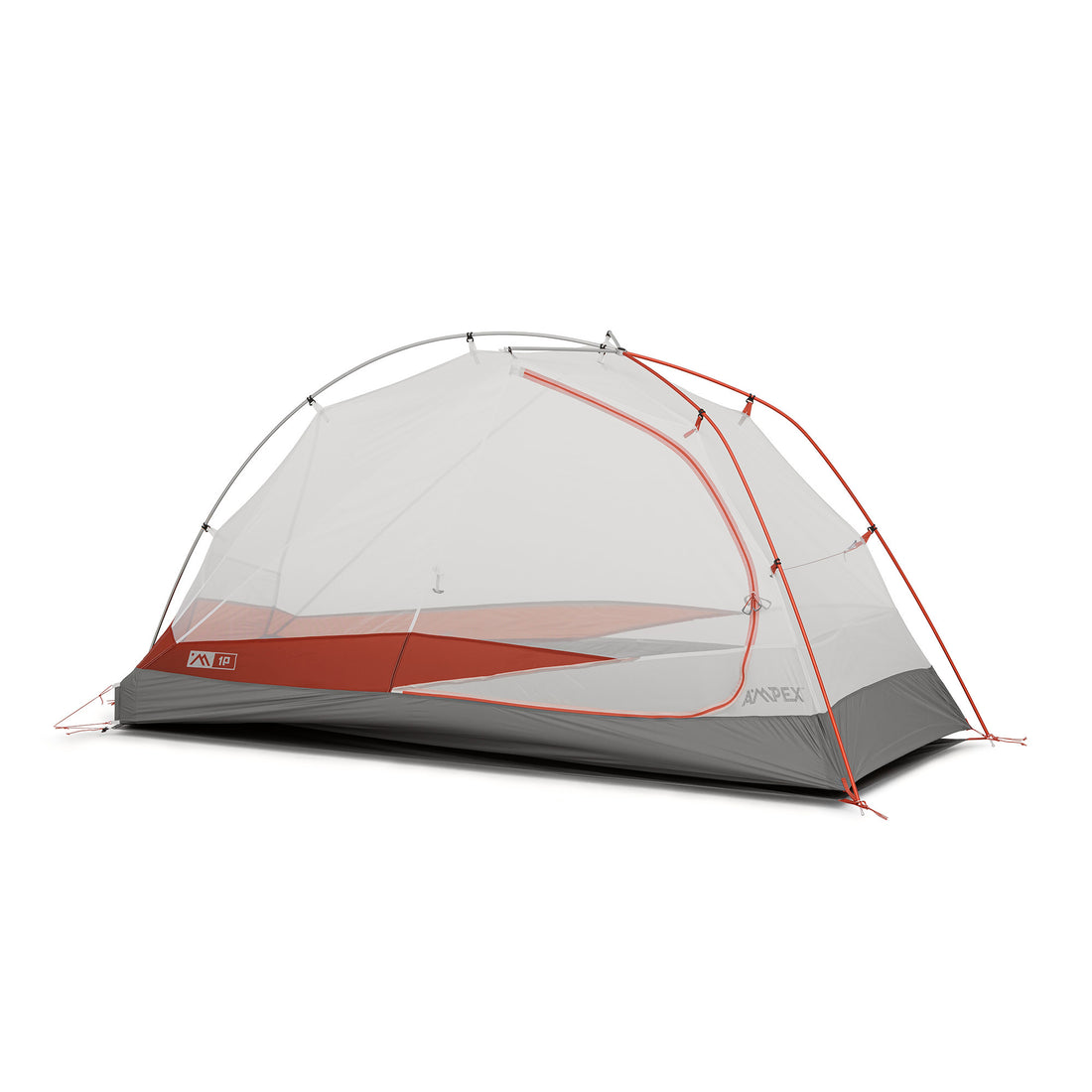
Ampex Lightweight Backpacking Tent – 1 Person
A lightweight solo tent designed for travelers who prioritize compact packing, simple setup, and weather protection.
Common Mistakes First-Time Tent Travelers Make
Buying a tent that's too small or too heavy for the actual trip.
Skipping the test pitch and struggling with setup on day one.
Underestimating nighttime temperatures and bringing the wrong sleeping bag.
Not checking local camping laws, which vary a lot by country and region.
Overpacking comfort items that add weight without adding much value.
Final Thoughts
Traveling with a tent takes a bit more planning than booking a hotel room, but the payoff is real: lower costs, more freedom and mornings that start with a view instead of a hallway. Start with a short trial trip close to home, get comfortable with your gear and build up to longer tent-based adventures from there.
Ready to plan your first tent trip? Start by building a simple packing checklist and picking one nearby destination to test your setup before committing to a longer journey.
Frequently Asked Questions
tent travel can be safe when you choose legal campsites, check local conditions, follow camping regulations, and let someone know your travel plans. Established campgrounds are often the simplest choice for beginners.
The savings depend on your destination, campground fees, and hotel prices. However, replacing some hotel nights with camping can significantly reduce accommodation costs during a longer trip.
A lightweight, compact dome tent with a rainfly is a practical choice for solo travelers. A model weighing around 2–3 kg or less can be easier to carry while still providing useful weather protection.
A hybrid trip can combine camping with occasional hostels or hotels, giving you a way to save money while still having access to showers, laundry, comfortable beds, and rest days.