
Introduction
A lab-grown diamond engagement ring in 2026 typically costs between $1,000 and $5,000 for most buyers, depending on carat weight, diamond shape, metal and setting style. Couples are also increasingly choosing larger center stones for the same budget that used to buy a smaller natural diamond, since lab-grown diamonds cost noticeably less than mined diamonds of the same size and quality.
If you're comparing prices before you shop, here's exactly what drives the cost of a lab-grown diamond ring this year, plus three real rings you can use as a benchmark.
Why Lab-Grown Diamond Ring Prices Matter More in 2026 ?
Lab-grown diamonds have moved from a niche alternative to the mainstream choice for engagement rings. More couples are choosing lab-grown center stones than ever before, largely because they allow for a bigger, higher-quality diamond without the bigger price tag of a mined stone. That shift means shoppers today have more room to prioritize carat size, cut quality and design details — without stretching their budget the way earlier generations had to.
Understanding what actually drives the price of a lab-grown diamond ring helps you spend your budget where it matters most, instead of overpaying for factors that won't be visible to the eye.
What Affects the Price of a Lab-Grown Diamond Ring?
Carat Weight
Carat weight is the single biggest price driver. A 1-carat lab-grown diamond ring might start around $1,000–$1,500, while rings in the 2–3 carat range climb into the $2,000–$4,000 range and beyond, depending on the other factors below.
Diamond Cut & Shape
Round diamonds are the most popular and typically carry a slightly higher price per carat due to demand and cutting waste. Fancy shapes like oval, cushion, emerald and pear can offer more visible size for the same carat weight, often at a lower per-carat cost.
Color & Clarity Grade
Diamonds graded closer to colorless (D–F) and with fewer visible inclusions (VS or higher clarity) cost more. Many buyers find that a near-colorless, eye-clean diamond (like F-VS2) offers excellent value without paying a premium for grades that are only detectable under magnification.
Metal Choice (14K vs. 18K vs. Platinum)
14K gold is the most affordable option, 18K gold costs more due to higher gold content and platinum is the most expensive metal choice because of its density and durability. Two-tone and rose gold settings are typically priced similarly to their base metal type.
Setting Style
Solitaire settings are usually the most budget-friendly since they use the least amount of metal and no accent stones. Halo, side-stone and three-stone settings cost more because they incorporate additional smaller diamonds, which adds both material and labor cost.
Lab-Grown vs. Natural Diamond Engagement Rings: Price Comparison
For a diamond of comparable size, cut and clarity, lab-grown diamonds typically cost 60–80% less than natural mined diamonds. This price gap is a major reason lab-grown diamonds have become the dominant choice for engagement rings — couples can choose a noticeably larger or higher-quality stone for the same budget they would have spent on a smaller natural diamond just a few years ago.
3 Lab-Grown Diamond Engagement Rings Worth Considering in 2026
To put these price factors into context, here are three real lab-grown diamond engagement rings from MiaDonna that represent different budgets and styles.
1. Lauren – Round Lab-Grown Diamond Traditional Four-Prong Solitaire Engagement Ring
A classic 1 ctw round solitaire in a traditional four-prong setting. This ring is a strong example of an entry-level, timeless option — ideal for buyers who want a clean, classic look without paying extra for a complex setting.

Lauren – Round Lab-Grown Diamond Traditional Four-Prong Solitaire Engagement Ring
A classic four-prong solitaire engagement ring featuring a timeless design and a lab-grown diamond option, perfect for shoppers who prefer an elegant and simple style.
2. Layla – Round Lab-Grown Diamond Vine Side-Stone Engagement Ring
A mid-range option featuring a round center diamond with a detailed vine-inspired side-stone design. This ring shows how added craftsmanship and accent diamonds move the price up from a basic solitaire, while still staying well under the cost of a comparable natural diamond ring.
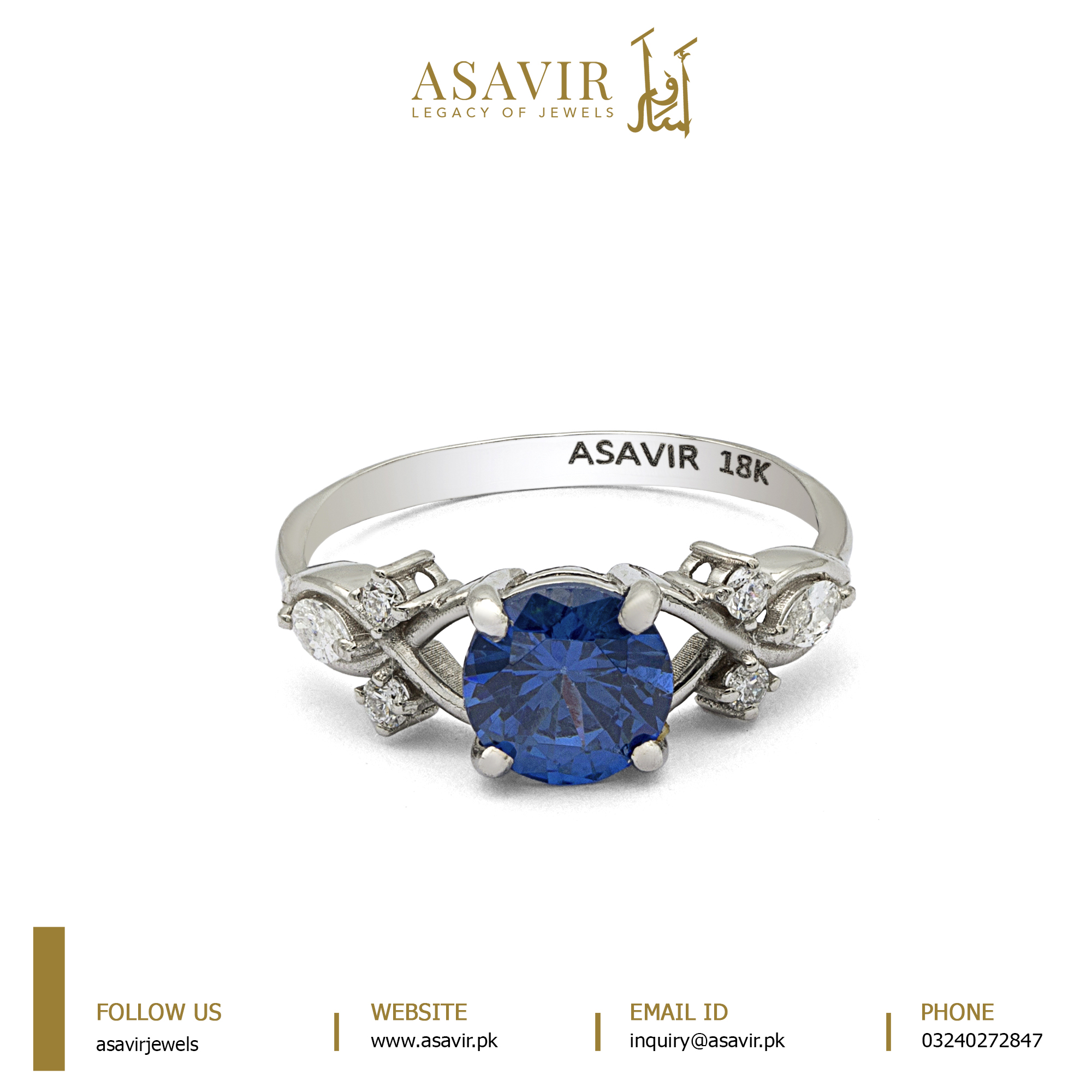
Layla – Round Lab-Grown Diamond Vine Side-Stone Engagement Ring
A romantic lab-grown diamond engagement ring with a vine-inspired side-stone design, ideal for couples looking for a detailed and elegant statement style.
3. Audrey – Round Lab-Grown Diamond Half-Bezel Solitaire Engagement Ring
A modern half-bezel solitaire setting, priced separately from the center diamond so buyers can choose their own carat weight, shape and quality grade to fit their exact budget — a useful option for shoppers who want more control over the final price.

Audrey – Round Lab-Grown Diamond Half-Bezel Solitaire Engagement Ring
A modern half-bezel solitaire engagement ring with a clean and contemporary design, offering a stylish choice for shoppers who prefer minimalist jewelry.
How to Get the Best Value on a Lab-Grown Diamond Ring ?
Prioritize cut quality first. A well-cut diamond looks brighter and larger than a poorly cut one, even at a lower carat weight.
Choose a near-colorless grade instead of top-tier color. The visual difference above F color is minimal to the naked eye.
Consider fancy shapes. Oval, cushion and pear cuts often look larger per carat than round diamonds.
Start with a solitaire setting. You can always upgrade the setting later; the diamond is the harder investment to change.
Buy from a brand with a lifetime warranty. This protects your investment over time without added cost upfront.
Financing Options for Lab-Grown Diamond Engagement Rings
Most 2026 shoppers do not pay the full price upfront. Many jewelers, including MiaDonna, offer monthly payment plans with 0% APR options, making it easier to get a higher-quality ring without financial strain. If budget is a concern, ask about financing terms before choosing a lower-quality diamond just to fit a one-time payments Final Thoughts
In 2026, a lab-grown diamond engagement ring typically costs between $1,000 and $5,000, with the biggest price factors being carat weight, cut, color, clarity, metal and setting style. Because lab-grown diamonds cost significantly less than natural diamonds of the same size and quality, today's buyers have more flexibility to choose a larger, more brilliant stone within the same budget. Comparing a few real rings — like the Lauren, Layla and Audrey styles above — is one of the easiest ways to understand where your budget fits before you start shopping.
Frequently Asked Questions
Most lab-grown diamond engagement rings cost between $1,000 and $5,000, depending on carat weight, cut and setting style.
Yes. Lab-grown diamonds typically cost 60–80% less than natural diamonds of the same size and quality.
Carat weight is usually the biggest single factor, but cut quality, color, clarity, metal and setting style all add to the final cost.
Yes, many jewelers offer monthly payment plans, including 0% APR financing options, so you can spread out the cost.
Yes, since lab-grown diamonds cost less per carat than natural diamonds, buyers can often afford a larger or higher-quality stone within the same budget.