
A good outerwear vest is one of the most useful winter layers. It keeps your core warm without the bulk of a heavy jacket, gives you full arm movement and works well over or under other clothing.
Whether you need a vest for daily walks, outdoor activities or quick errands, this guide covers what to look for and the main outerwear vest styles to consider in 2026.
Why an Outerwear Vest Belongs in Every Winter Wardrobe
A vest does more than a jacket without sleeves. It keeps your core warm while allowing your arms to move freely, making it perfect for hiking, running, hunting and other outdoor activities.
Vests are also stylish and easy to layer over flannels, sweaters or shirts for a smart winter look.
What to Look for in a Winter Outerwear Vest
Not all vests are built the same. Before you buy, run any option through these five checkpoints.
1. Insulation Type
Down fill — offers excellent warmth-to-weight performance and compresses easily, though it can lose insulating ability when wet.
Synthetic insulation — slightly heavier than down but retains warmth even when damp and it's typically more budget-friendly.
Fleece — breathable and comfortable, making it useful for milder winter weather and active use.
2. Outer Shell Material
Look for ripstop nylon or polyester with a DWR (durable water repellent) coating. A DWR-treated shell can help repel light rain and snow, while a waterproof shell is better for prolonged or heavy precipitation.
3. Fit and Cut
A winter vest should sit close enough to trap heat but loose enough to layer over a sweater or under a coat. Athletic cuts work well for active use; a slightly boxier fit is better for everyday layering.
4. Functional Details
Zippered hand pockets, an interior stash pocket, an adjustable hem and a stand-up collar all add real-world usability — especially if you're wearing the vest as a stand-alone outer layer rather than a mid-layer.
5. Packability
If you plan to travel or hike with it, a vest that stuffs into its own pocket is worth the extra few dollars. It's the difference between a piece of gear you actually bring and one that stays in the closet.
How Warm Should Your Winter Vest Be?
The right insulation level depends on the weather and how you plan to use the vest.
Mild winter weather: A lightweight fleece or lightly insulated vest can provide enough warmth for everyday use.
Cold everyday use: A medium-weight down or synthetic vest offers more insulation while remaining easy to layer.
Very cold conditions: Choose a more heavily insulated vest and pair it with a warm base layer and outer jacket for better protection.
If you're unsure, choose a vest that leaves enough room for layering. Your base layer, sweater and outer shell can make a big difference in overall warmth.
Featured Outerwear Vest Picks
If you're looking for a lightweight, packable vest for winter layering, these two 32 Degrees options are worth considering. Both use recycled poly-fill insulation and offer water-resistant protection, making them practical for everyday wear, travel and cool-weather layering.
32 Degrees Women's Lightweight Recycled Poly-Fill Packable Vest
The 32 Degrees Women's Lightweight Recycled Poly-Fill Packable Vest is a lightweight, semi-fitted option designed for layering and everyday winter wear. It features recycled Cloudfill insulation with 550–600 fill power, a water-resistant shell, stand collar and side zippered pockets. The vest is also designed to pack away easily, although the packable pouch is sold separately.
Pros:
Recycled Cloudfill insulation
Lightweight and easy to layer
Semi-fitted design
Water-resistant outer shell
Zippered side pockets
Packable design
Stand collar for added coverage
Cons:
Packable pouch is sold separately
No inside pockets
May not provide enough warmth for very cold conditions
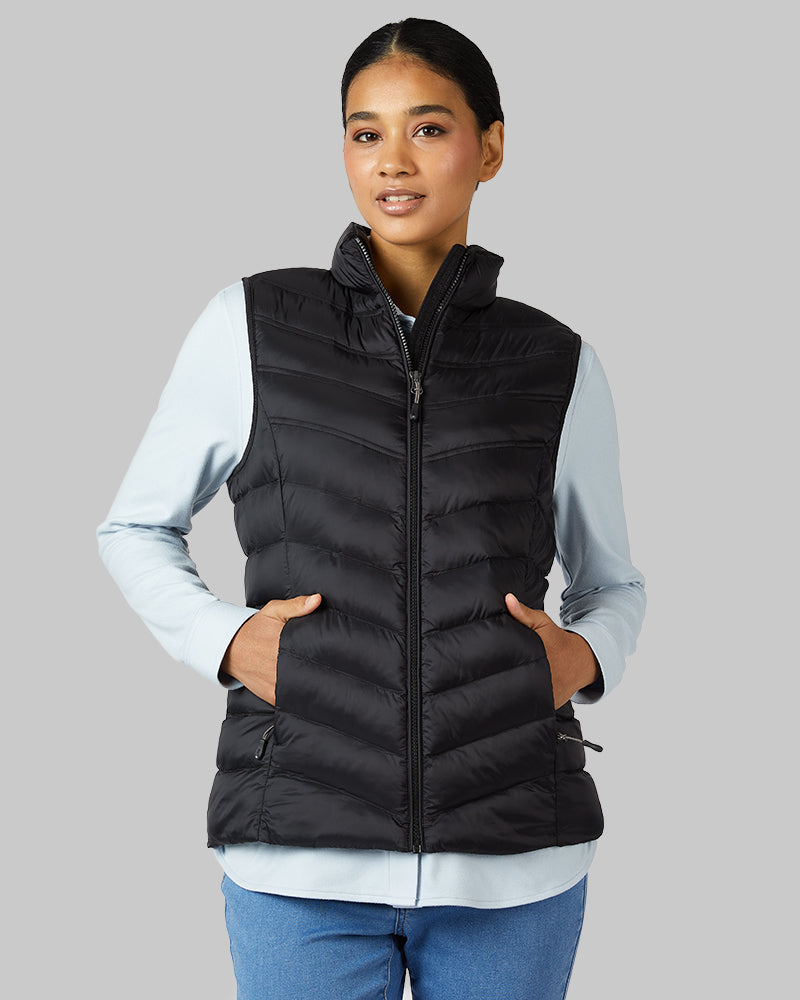
32 Degrees Women's Lightweight Packable Vest – Best Women's Lightweight Layer
A lightweight, water-resistant vest featuring 100% recycled Cloudfill insulation, 550–600 fill power warmth, zippered pockets, and a packable design. Perfect for travel, layering, everyday wear, and cool-weather adventures.
32 Degrees Men's Lightweight Recycled Poly-Fill Packable Vest
The 32 Degrees Men's Lightweight Recycled Poly-Fill Packable Vest is a practical everyday layering option with recycled Cloudfill insulation and a regular fit. It offers 540–570 fill power, water-resistant protection and zippered pockets, while its lightweight design makes it convenient for travel and everyday use.
Pros:
Recycled Cloudfill insulation
Lightweight and travel-friendly
Regular fit for easy layering
Water-resistant shell
Zippered pockets
Packable design
Available in a wide range of sizes
Cons:
Packable pouch is sold separately
Less suitable for very cold conditions without additional layers
Regular fit may feel loose for some wearers
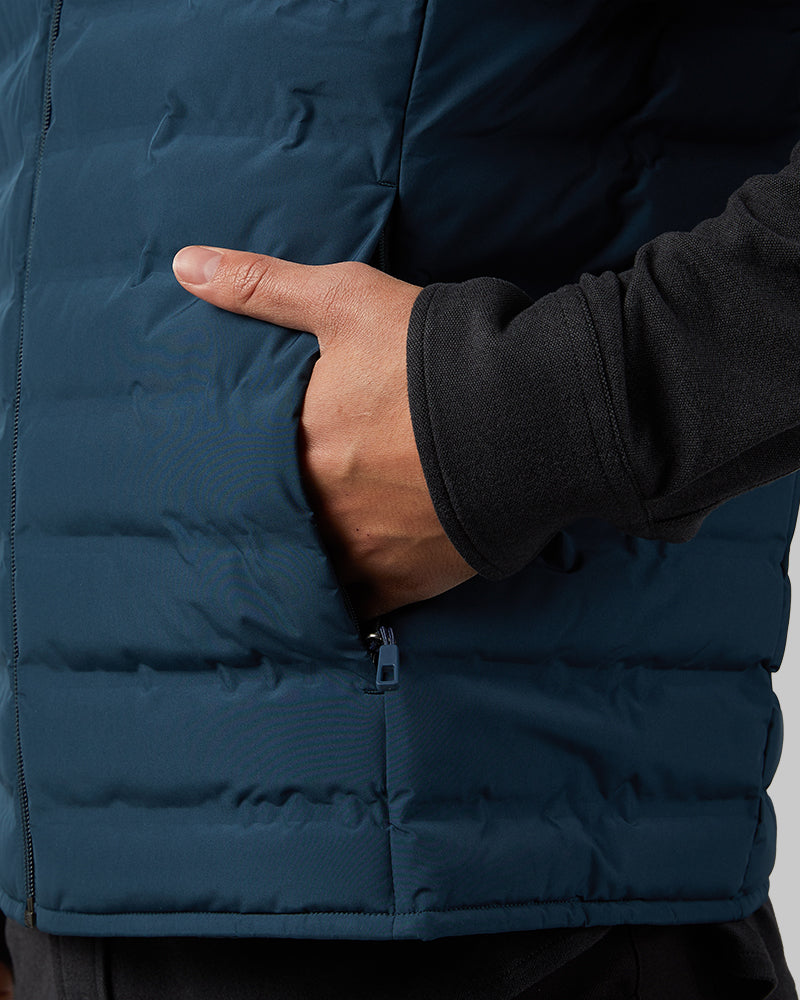
32 Degrees Men's Lightweight Packable Vest – Best Everyday Vest
A versatile lightweight vest with recycled Cloudfill insulation, water-resistant fabric, zippered pockets, and an easy packable design. Ideal for travel, outdoor activities, and everyday layering without bulk. Based on the same lightweight insulated packable vest platform offered by 32 Degrees.
Final Thoughts
The best outerwear vest for winter comes down to how you'll use it. Want maximum warmth for the least weight? Go with down. Need something that performs during high-output activity? Choose synthetic fill. Looking for everyday versatility? A classic ripstop nylon or quilted vest checks every box. Whichever you choose, prioritize a DWR-treated shell, a fit that layers well and pockets that actually earn their keep.
Frequently Asked Questions
Yes, for mild-to-moderately cold days or as an outer layer over a sweater. In extreme cold, they work best as a mid-layer under a coat or shell jacket.
Down offers superior warmth-to-weight and packability but loses insulating power when wet (unless treated). Synthetic fill is heavier but keeps insulating even when damp, making it a better choice for wet or unpredictable climates.
Most winter vests use a water-resistant (DWR-coated) shell that handles light rain or snow. For heavier precipitation, wear a waterproof shell jacket over the vest.
Puffer typically refers to a rounder, more heavily insulated silhouette, while "quilted" describes the stitched pattern that holds insulation in place — many vests are both puffer-style and quilted.
It should be close enough to retain body heat but roomy enough to comfortably layer over a sweater or hoodie without restricting arm movement.